Why Your 2-Year-Old Is Suddenly Having More Tantrums
If your 2-year-old is throwing more tantrums than usual, it doesn't mean you're doing something wrong. Around the age of two, emotional growth happens faster than language and self-control growth. The good news is that there are easy ways to respond that will make things less stressful in the long run.
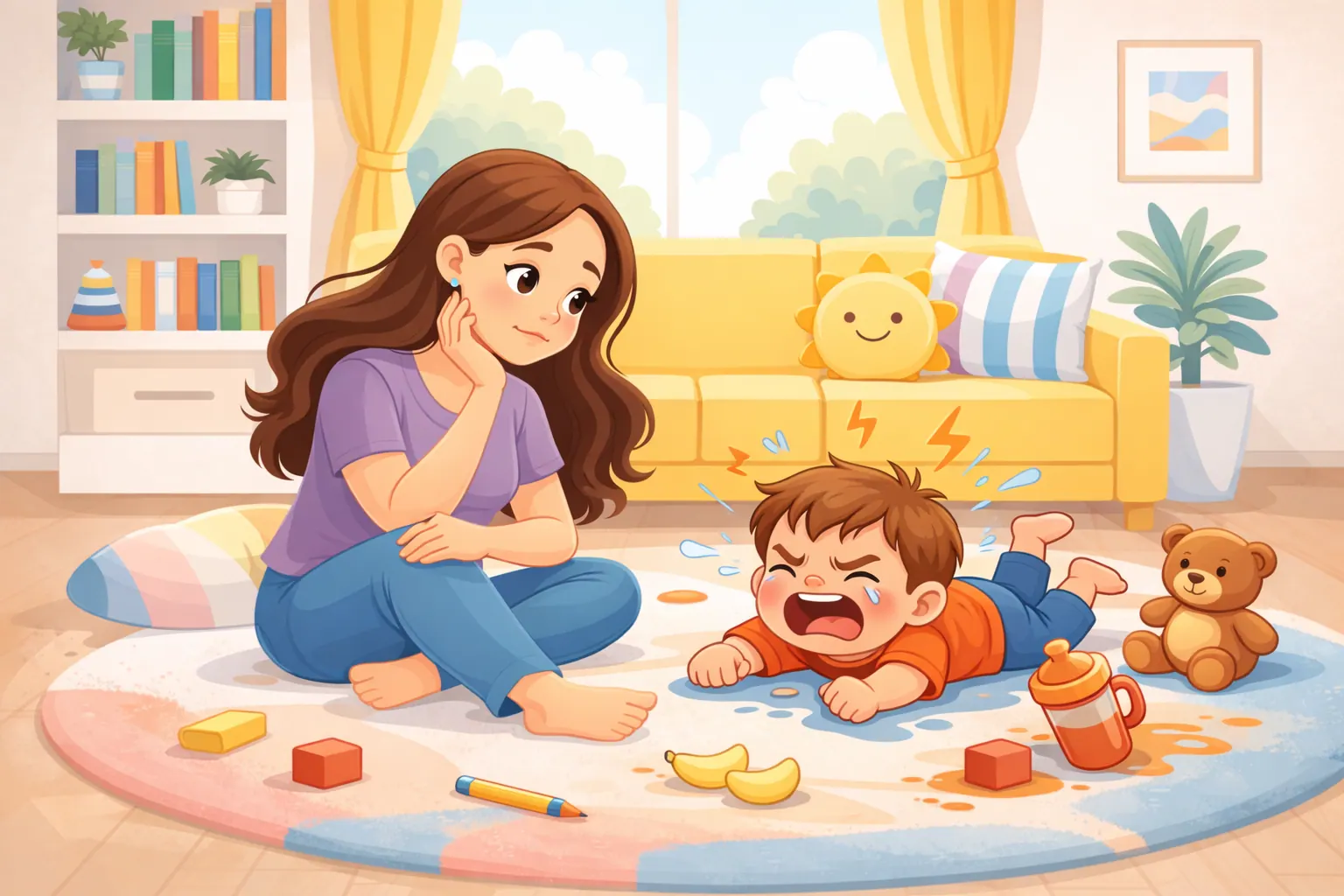
You aren't imagining it if it seems like the tantrums came out of nowhere.
A few weeks ago, your 2-year-old may have complained from time to time. It feels like it's always there now. They cry because the banana fell apart. Since you opened the snack. Because the wrong cup showed up. It seems like the reactions are worse than the problem.
Parents often look for "2-year-old tantrums" when they're having one of those long, tiring nights when everything seems harder than it should. The good news is that this sudden rise in tantrums is usually a normal part of growing up. It doesn't mean you did it. And that doesn't mean it will last forever.
Is it normal for a 2-year-old to throw tantrums?
Yes. Totally normal.
Emotional growth happens very quickly around the age of two. Your child is quickly learning how to feel angry, frustrated, excited, and sad. But the part of the brain that controls impulses and emotions is still developing.
Your child feels everything very strongly, but they don't know how to deal with those feelings yet.
That mismatch causes explosions.
Parents are often surprised when their toddlers start throwing tantrums more often at age 2 because it seems like a step back. In reality, it is usually a big step in development. Your child is starting to understand their likes and dislikes, how to be independent, and how to be in charge, but they don't have the words or the skills to deal with the feelings that come with it yet.
Why your 2-year-old is throwing more fits all of a sudden
There are a few common reasons why tantrums get worse at this age.
The first step to being independent is waking up. Two-year-olds start to get that they are different from you. They have thoughts. They want to pick. They want to be in charge of small parts of their world. The emotional response can be strong when that control is limited.
Second, language is still behind. Your child probably knows more than they can say. They know what they want, but they can't fully say it. That space between understanding and saying something makes people angry. At age two, kids often show their anger by hitting or yelling.
Third, little things that go wrong seem huge to them. Adults can quickly change how they think about a small problem. A toddler can't. It feels like a real loss when they expect the red cup but get the blue one instead. Their reaction shows how they feel about the problem, not how big it really is.
Sleep and too much stimulation are also very important. Changes in sleep, even small ones, can make you more emotionally sensitive. Too many changes, busy days, loud places, and skipping snacks make them less able to handle frustration. The tantrum isn't always about what's going on right now. It's about too much work piling up.
What to Do When Someone Is Tantruming
When your 2-year-old is having a tantrum, the goal is not to teach. It is a rule.
At that point, logic won't work. Long explanations won't work. What helps the most is being calm.
Instead of raising your voice, lower it. If it's safe, move closer. You could say in a calm voice, "You're really upset" or "You didn't want that." Saying what you feel doesn't mean you agree with what they did. It makes your child feel understood, which stops things from getting worse over time.
Hold it calmly if there is a boundary. If the answer is no, it stays no. You can recognize the feeling while still keeping the limit. "You're crazy." We're still going. A toddler feels safer when things are the same than when they change.
Even if you stay calm, some tantrums will happen anyway. That doesn't mean you did it wrong. Sometimes all you have to do is stay calm while the storm passes.
What to Do After the Tantrum
You can start teaching your child gently once they are calm.
Make it short and easy. "You can say help when you're angry." Or, "You can stomp your feet instead of hitting." Two-year-olds learn best when they do things over and over, not when they listen to long lectures.
Get back together quickly. A hug, a moment of silence, or going back to play all say that strong feelings don't put the relationship in danger.
How to stop having tantrums over time
At age two, you can't stop tantrums. They are a part of growing emotionally. But you can make them happen less often and less strongly.
One of the best tools is to protect sleep. Toddlers who are too tired have a lot more trouble with self-control.
Giving your child small choices throughout the day makes them feel in charge. "Blue shirt or red shirt?" "Do you want to walk or be carried?" These options meet the need for independence without taking away parental authority.
It also helps to look ahead at transitions. Telling your child what is coming next gives their brain time to get used to it. "Two more minutes, and then we'll clean up." This small change often stops a full meltdown.
Lastly, staying in touch every day is important. Playing with your child for just ten minutes without any distractions can help calm them down. Kids fight less for attention when they feel like they are being seen.
When Should You Be Worried?
Most tantrums in two-year-olds are normal for their age. If your child's tantrums last longer than 30 minutes, involve self-harm, or make them lose skills they used to have, or if they seem really extreme compared to other kids their age, you should talk to their pediatrician.
Listen to your gut. Asking for help doesn't mean something is wrong. It means you're paying attention.
The Big Picture
If your two-year-old is having more tantrums all of a sudden, it doesn't mean you're doing a bad job. It means that your child is getting bigger.
They are learning how to be independent, but they still don't know how to control themselves. They are feeling more than they can handle. Tantrums usually get better over time when you stay calm, set clear limits, and stay connected.
This stage is loud and tiring. But it's only for a short time.
And you're not the only one.