How to Stop a Preschooler From Asking for Snacks All Day
When your preschooler asks for snacks all the time, you might feel tired and not sure if they are really hungry or just stuck in a habit. This guide will help you stay calm, set better snack times, and stop asking all the time so that food doesn't become a fight.
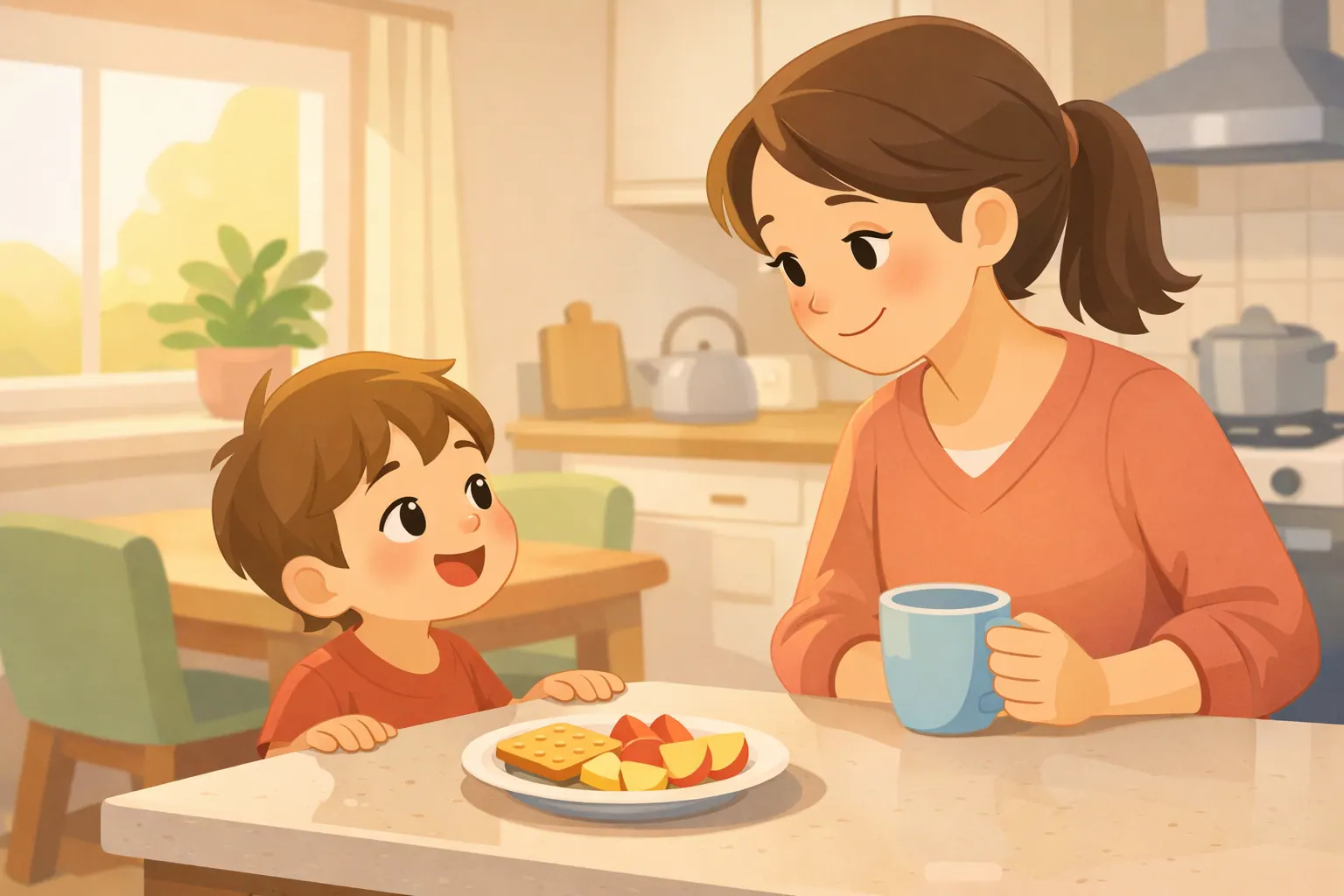
Something about hearing, "Can I have a snack?" is exhausting. from the moment your child wakes up until they fall asleep. It could happen before dinner, in the car, while making lunch, or right after breakfast. It stops being a simple request after a while and becomes annoying noise that wears you down.
There are times when parents can't decide what to do. Either you give your child snacks all day and feel like they're never really full, or you say "no" all the time and the whole day becomes a fight over food. I don't like either choice.
You should know that this stage is a normal phase for preschoolers if you want to figure out how to stop them from asking for snacks all day. Most of the time, it's not because you're greedy, acting badly, or doing something wrong. Kids in preschool often ask for snacks because they like routines, get bored easily, are still learning how to tell when they are hungry, and form habits quickly around attention and food.
It's not your job to make your child careless about hunger or feel bad about asking for food. The goal is to get them into a routine that makes them feel safe, full, and less hungry during the day.
What is healthy for this age?
For preschoolers, eating habits can change from day to day, even though they are still growing quickly. They eat a lot some days. Some days they barely eat lunch and then all of a sudden want crackers an hour later. That should be okay.
A simple eating plan with planned meals and snacks spread out throughout the day is best for many kids this age. Because their stomachs are smaller than an adult's, they need to eat often. Going too long without eating can be challenging for them. But if they are fed too often, they may not know the difference between real hunger and just grazing for fun.
Routines are also fun for preschoolers. If they become used to getting a snack every time they are bored, angry, tired, or need to connect with someone, they might start asking for food when they aren't really hungry.
That doesn't mean they are trying to trick you. It means they are picking up on patterns. And once they know what to do, they tend to do it again and again.
Why this takes place
One main reason for this is that preschoolers spend a lot of time in the present. If they want something, they need it right away. Even if it's only twenty or thirty minutes, they may feel like they can't wait until the next snack time.
One more reason is that snacks are simple, enjoyable, and reliable. Kids who are bored might ask for food because it provides them something to do. Tired kids may ask for food because they know that getting a snack will make them feel better and get your attention. When a child's emotions become unmanageable, they may seek out something crunchy or sweet, as it provides them with a sense of comfort.
The way things are set up every day can also play a part. Your child may really be hungry more often if meals are light, quick, or not regular. If the snacks are overly processed and fail to provide sufficient satiety, individuals may experience a brief feeling of fullness followed by an immediate craving for more. They might not be able to settle into a clear rhythm of hunger and fullness if they are free to graze.
A control piece is also there. Kids in preschool want to have a say in what happens in their world. Because adults respond quickly to food, it's one of the best places to look for control. When things become heated, the pattern of snacking tends to stick more.
What Not To Do
Instead of arguing over each snack request, it's more effective to plan out the entire day. Establishing a consistent routine for meals and snacks can significantly improve the situation. If your child knows when they'll eat, they won't have to ask for food all day. Uncertainty makes people less anxious.
Instead of thinking about unlimited access, try thinking about planned times to eat. A routine of breakfast, a snack in the morning, lunch, a snack in the afternoon, and dinner works well for many preschoolers. Some families also eat a small snack in the evening if dinner is late. It's not necessary to stick to exact minutes, but the flow should feel steady and natural.
It also helps snacks fill you up better. Your child might get hungry again rapidly if the snack is just a few dry crackers. Snacks with protein, fat, or fiber tend to keep people full longer. Some foods that can fill you up more than snack foods that you can eat in five bites are yogurt and fruit, cheese and toast, apple slices with peanut butter (if that's okay for your family), and hummus with crackers.
Make sure the day doesn't feel like a long no. Children often push harder when they are repeatedly told, "no snacks," for no good reason. It works better to stay calm and confident and bring up the routine. You don't feel like the snack police anymore; you feel more like the steady guide.
You can also check out what's going on around the requests. If your child always wants snacks when they're tired, in the stroller, busy, or during changes, they may not be hungry. A small change can help at those times. The asking might go down if there is a planned activity, a water break, a chance to connect, or a visual reminder of when snack time is.
Please determine what conditions make the kitchen open or closed. This is another helpful step. It's not necessary to be mean. It just means that there are times to eat and times not to eat. When the line is clear, kids often settle down faster. People usually ask more questions when the answer changes based on your mood, because they know that sometimes persistence pays off.
But also be open to change if you're really hungry. When your kid missed lunch, had a busy day, or is going through a growth spurt, they may really need more food. Structure is important, but it shouldn't be more important than common sense. The goal is not strict control but steady direction.
Tips For Talking
"I hear you." After we clean up these toys, it's time for a snack.
"You had breakfast already." "Your next meal is a morning snack."
"You don't have to be hungry to wait a little longer." I'm going to help you.
"The kitchen is closed currently." We're going to eat again at lunch.
This snack is what you can have at snack time if you're hungry.
"You need a snack badly." When you need something right away, it's difficult to wait.
If you want these scripts to work best, keep your tone calm and serious. Usually, preschoolers respond better to confidence than to long explanations. That's enough for them to understand that your boundary is fair. You only need to hold it gently.
How to Avoid Trouble
One of the best long-term solutions is to take more time and plan your meals better. If a preschooler eats a hearty breakfast that will keep them full for thirty minutes, they are less likely to be hungry again. Your child might be getting full on fast foods but not getting enough protein, fat, or fiber at meals.
Routines that you can see can also help. When kids can see how the day goes, they sometimes ask less. A simple picture schedule with slots for breakfast, playtime, a snack, time outside, lunch, rest, another snack, and dinner can help kids feel more at ease with their meals. This technique is especially good for kids who get nervous when things change.
You shouldn't always turn to snacks when things get tough. It makes sense, especially on busy days. But if your child turns to food as a main way to deal with things like boredom, whining, car rides, errands, or anger, they may start to associate all bad feelings with food. It can really help to add to your comfort tools. A hug, music, water, a sensory activity, or a change of scenery might better meet their real needs.
Furthermore, if they keep asking for snacks between meals, it helps to keep the options pretty boring. That doesn't mean not giving them food. That only means not making every snack into a big deal. Kids usually don't bother chasing snacks as much when they know what they're going to get.
Most importantly, keep an eye on how consistent you are. If you say "no" three times and then give your child a snack because they are tired of asking, they will learn that it is okay to ask for longer. That's not a sign of bad parenting. That's just how patterns become stronger. Usually, things change when people become calmer and more predictable over time.
When You Should Ask For Help
Talk to your pediatrician if your child is always hungry, no matter how much they eat, has severe problems with food, is losing weight, is exhausted all the time, or if you notice any other feeding problems. When food problems keep happening, they may need a closer look.
You might also want to talk to a pediatrician or someone who works with children if meals have become a daily battleground, if your child eats only a few foods, or if you feel stressed every time food is involved. Having help can make things feel a lot easier to handle.
You can ask for help with feeding issues before they get serious.
Looking at the Big Picture
It's not a sign that your preschooler is spoiled, out of control, or going to start harmful habits for good if they ask for snacks all day. Usually, it means they need a more stable routine and a calmer way of thinking about food.
When adults make the pattern clear to kids, they do well. People often stop asking as much when they know when their meals and snacks will be, when they set limits that are kind but firm, and when food isn't carrying the weight of all their emotional needs.
This change doesn't usually happen all at once. It happens through repetition. You stay steady, your child learns the rhythm, and eventually the whole day feels less like a running negotiation. That is the real win. Not just fewer snack requests, but more peace around food for both of you.