What to Do When You Feel Irritated by Your Child All Day
Things like noise, questions, or interruptions can feel too much some days. You are not a bad parent just because your child makes you mad all day. Most of the time, it means that your child, your family, or your stress level needs more help.
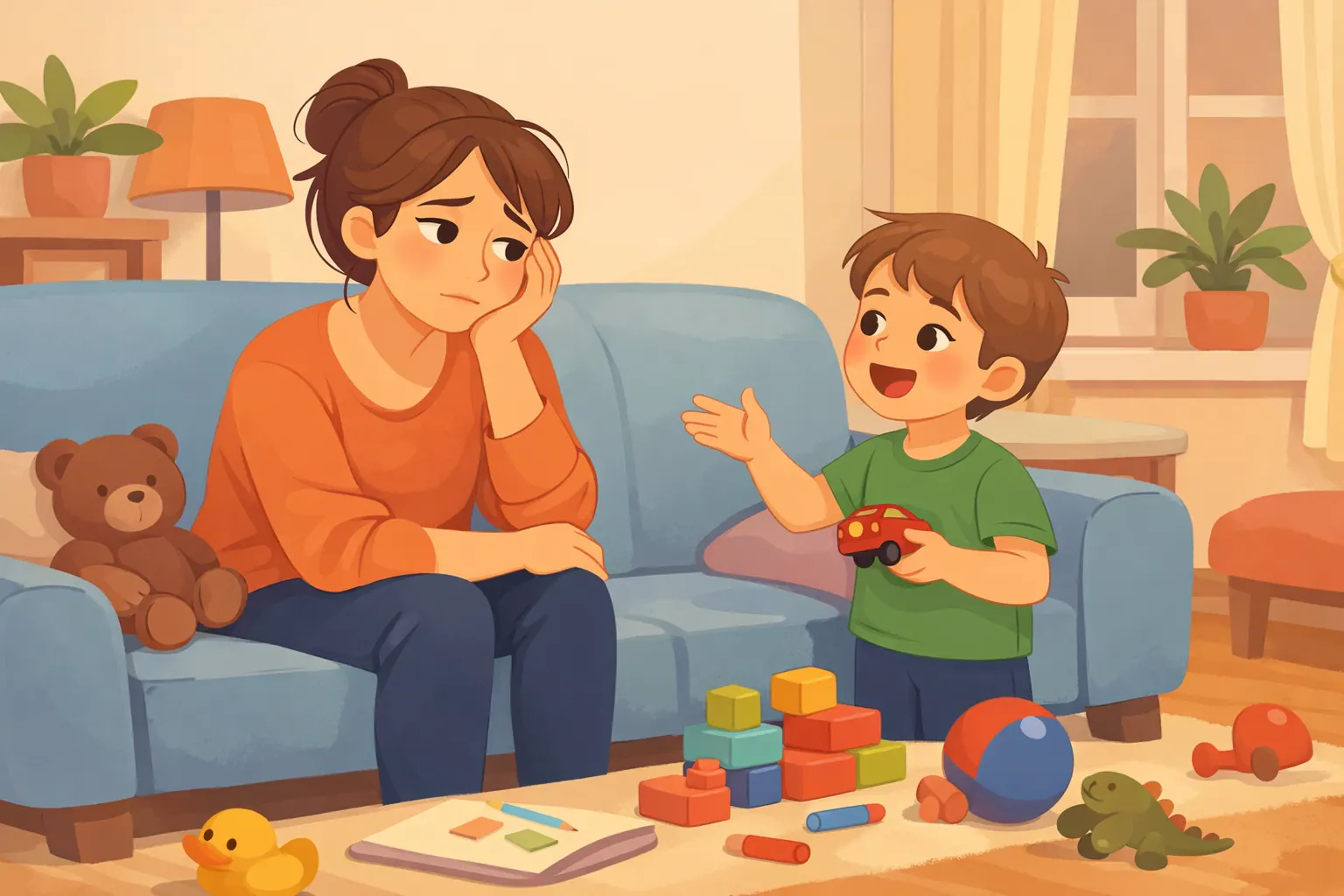
Some days it seems like everything your kid does bothers you. They are talking all the time. The questions that were asked over and over. The complaining, the mess, the fights, and the noise. You might feel tense before they even say your name again at the end of the day.
When you feel that way, you might feel guilty. There are a lot of parents who think that if their child makes them mad all day, there must be something wrong with their relationship or their patience. That's not always the whole story. Getting irritated with your child all the time is usually not because you don't love them, but because you are too busy, don't have enough help, or are being pushed past your limits.
Being a parent puts a lot of stress on your body. People expect you to stay calm even when they touch you, interrupt you, need you, and pull your emotions in many different directions. You might not be able to handle even normal child behavior when your own tank is empty.
This feeling is especially true if you haven't been getting enough rest, are mentally stressed, are under a lot of pressure at work, are doing too much by yourself, or are parenting without giving yourself enough time to recover. Getting irritated is often a sign. Your body and mind are telling you that something needs your attention.
It's good news that this feeling can change. You don't have to become very patient overnight. You need to find real-world ways to understand what's going on, ease the stress of each day, and get back into a routine with your child, such as implementing consistent routines, engaging in calming activities, and fostering open communication.
What is healthy for this age?
It's just in their nature for kids to be repetitive, loud, emotional, and erratic. They need things that they just had. They fight over things they do all the time. They can be needy one minute and unwilling to give in the next. All of these things don't necessarily mean they want to make your day harder.
Young kids are still learning how to control their urges, deal with anger, wait, be disappointed, and make changes. Their brains aren't ready for long-term self-control yet. They depend on adults a lot to help them deal with big feelings and daily tasks.
In other words, your kid might need to hear the same thing over and over again. Small things could make them cry. They might talk when you really need to be alone. They might follow you into the bathroom, ask for snacks while you're cooking, or suddenly refuse to do the same thing they did yesterday.
When you know that a lot of such conduct is normal for their age and stage of development, it's easier to stop seeing every behavior as an insult, an attempt to control you, or a personal attack. It's still not easy. It just makes you more stable when you respond.
Why this takes place
If you keep asking yourself, "Why does my child bother me so much?" Most of the time, the answer is a mix of stress, mismatches, and nervous system overload.
There are times when the issue is not the child's behavior. It's when and how many times you do it. Normal requests can seem big when you are under a lot of stress, haven't slept well, the house is a mess, or you haven't had a moment of peace all day.
There may also be a difference in temperament. There are kids who are noisier, rougher, more intense, or more persistent than others. Some parents are more easily upset by noise, chaos, touching their kids all the time, or things that aren't planned. There is no right or wrong answer. But some pairs are more difficult to get along with, especially when everyone is tired, such as when a sensitive parent is paired with a child who is particularly active or noisy.
Stress building up over time is another reason. You might have tabs open in your mind all day that you can't see. In the background are things like meals, plans, school issues, money worries, chores, messages, appointments, work, and emotional work. Then your kid spills water or asks the same question six times, and your response stands out more than the event itself.
Shame can also make things worse here. You might start getting ready for the next hard moment if you notice that your child makes you mad all day. This buildup of tension makes things even worse. You become less flexible, and your child can tell. This can make the whole day a cycle of snapping, feeling guilty, and more stress.
What Not To Do
Stop telling yourself every second that you need to feel warm and patient. That's the first step. That's not likely to happen. The goal is not to always be calm. The goal is to figure out the pattern faster and lessen the pressure points that keep setting you off.
First, pay attention to when the irritation is at its worst. It's probably during the morning rush. Later in the afternoon? Time for bed? During a fight between siblings? During which they kept talking? It's hard to do more than one thing at once. Patterns are important because they show you where help is needed.
Next, cut down on the number of battles and decisions during the hardest part of the day. If you always have a bad morning, make getting ready, breakfast, and clothes easier. If the afternoons are rough, plan a snack, some quiet play, or time outside before you ask them to cooperate. If bedtime seems to last forever, cut down on the routine and make it more regular.
Helps tell the difference between behavior that is dangerous and behavior that is just annoying. Not every annoying habit needs to be fixed right away. The next time your child hums loudly, reads the same story over and over, or moves slowly, you might not need to fix it. You might just need to take a break from everything and respond when you have a clearer head.
Before using verbal resets, try using physical ones. Before you answer, take a deep breath. Take your jaw back. Place both feet on the ground. Before you answer, turn your shoulders away for three seconds. Even though these short breaks sound easy, they often stop the sharp tone that makes everything worse.
Also, the day needs to have more breaks for you. That doesn't always mean taking hours to care for yourself. It could mean ten minutes of real silence, asking an adult to take over for a while, going outside, washing your face, or doing one thing without being stopped. Small breaks are important for recovery because irritation builds up faster when there are no breaks at all.
And if you do break it, fix it right away. You don't need a perfect script. You only need to be honest and steady. Your child will learn that they don't have to act like bad things didn't happen by fixing something simple.
Tips For Talking
"I have a lot on my plate right now, so I need a minute to myself before I answer."
"I'm getting angry, and I want to be polite." "Let me begin again."
Is there something wrong with you? Right now I just need less noise.
"I hear you." Please stop shouting because I'm going to help you.
"I'm having a rough time." We can work this out together.
"I was too harsh. "I'm sorry. "Let us try again."
How to Avoid Trouble
Making daily life less stressful is more likely to lead to long-term change than trying harder in the present. A home that is calmer does not mean that it is perfect. It means there are fewer pressure points, and rhythms are easier to guess.
With interest, pay attention to what sets you off. It can feel much harder to be a parent when there is a lot of noise, clutter, rushing, hunger, constant touch, interruptions, and not enough sleep. If you know what sets you off the most, you can plan your day around them instead of blaming yourself for them.
Also, making one or two anchor routines that keep things from getting out of hand can help. A simple routine in the morning, a regular snack after school, a set window of time for quiet, or a smoother bedtime routine can help you deal with stress more effectively.
Try to connect with each other more in times that aren't hard, too. A few calm minutes of attention, a short hug, a snack you both eat, or laughing while you do the laundry can help you and your child feel better. Even though connection doesn't get rid of stress, it often lessens the feeling of power struggles that make irritation worse.
Lessen the amount of work you're doing in the background if you can. Request help. Drop tasks that aren't necessary. Take shortcuts. Eat easy meals again. Put off doing less important tasks. It's easy for parents to take on too much while still expecting to always sound kind. That isn't going to work.
Last, be sure to watch the basics. More than most parents realize, sleep, food, water, sunlight, movement, and rest all have an effect on how well kids control their emotions. When your body is tired, your patience usually goes down too.
When You Should Ask For Help
It could mean that you need more help if your child makes you angry all day for weeks at a time or if your anger turns into yelling, harsh reactions, panic, hopelessness, or feeling emotionally numb. That doesn't mean you're failing. It means that the load might be too heavy for one person to carry.
A pediatrician, therapist, or other trained mental health professional can help you if your child's behavior has changed quickly or if you are worried about your own stress, anxiety, low mood, or burnout. A professional can help you figure out what's causing the pattern and what kind of help would really make your life easier.
You don't have to wait until things get really bad. Getting in touch with your child early is often the kindest thing you can do for both of you.
Looking at the Big Picture
Being mad at your kid all day doesn't mean you don't love them. It often means that there is stress, not a broken bond. Parents are people. Kids are very intense. When family life gets loud and never-ending, it can wear down even the most caring and thoughtful adults.
The most important thing is not acting like irritation never happens. Learning to notice it, deal with it more consciously, and handle home life better over time.
You have the right to need space. You can feel like you have too much to do. You can also make small changes that will help your child feel safe and will also help you consistently show up.
It won't always be this hard during this season.